
Generators
Your trusted partner for professional home services. Quality workmanship, guaranteed satisfaction.

Generators | Electrical | Gatlinburg
When a Smoky Mountain storm rolls in and the lights flicker, Gatlinburg homeowners and cabin-owners turn to HEP’s licensed electricians for dependable standby power. We size, sell, and install industry-leading generators that start automatically the second the grid goes down, keeping your HVAC, refrigerator, Wi-Fi and security systems running without missing a beat. From compact inverter units perfect for weekend getaways to whole-home Generac and Briggs & Stratton systems, our team helps you choose the right capacity, handles every permit, and tests each connection so you can rest easy on even the darkest nights.
Beyond installation, HEP is on call 24/7 for routine maintenance, load-testing, and emergency repairs. Enroll in our affordable service plans and we’ll handle oil changes, spark plugs, firmware updates, and winterization, all backed by our 100% satisfaction guarantee. Power outages are inevitable in the mountains—loss of comfort and revenue doesn’t have to be. Trust HEP Electrical to keep Gatlinburg glowing, season after season.
What Our Customers Say


Reliable Power in Gatlinburg: Why Generators Matter
Nestled at the entrance to the Great Smoky Mountains, Gatlinburg experiences a mix of rugged mountain weather, bustling tourism, and a thriving community of year-round residents. From sudden thunderstorms that roll across the ridges to winter bouts of heavy, wet snow, power interruptions can strike at any moment. An electrical generator is no longer a luxury in Gatlinburg; it is an essential investment that keeps households comfortable, businesses profitable, and critical systems online.
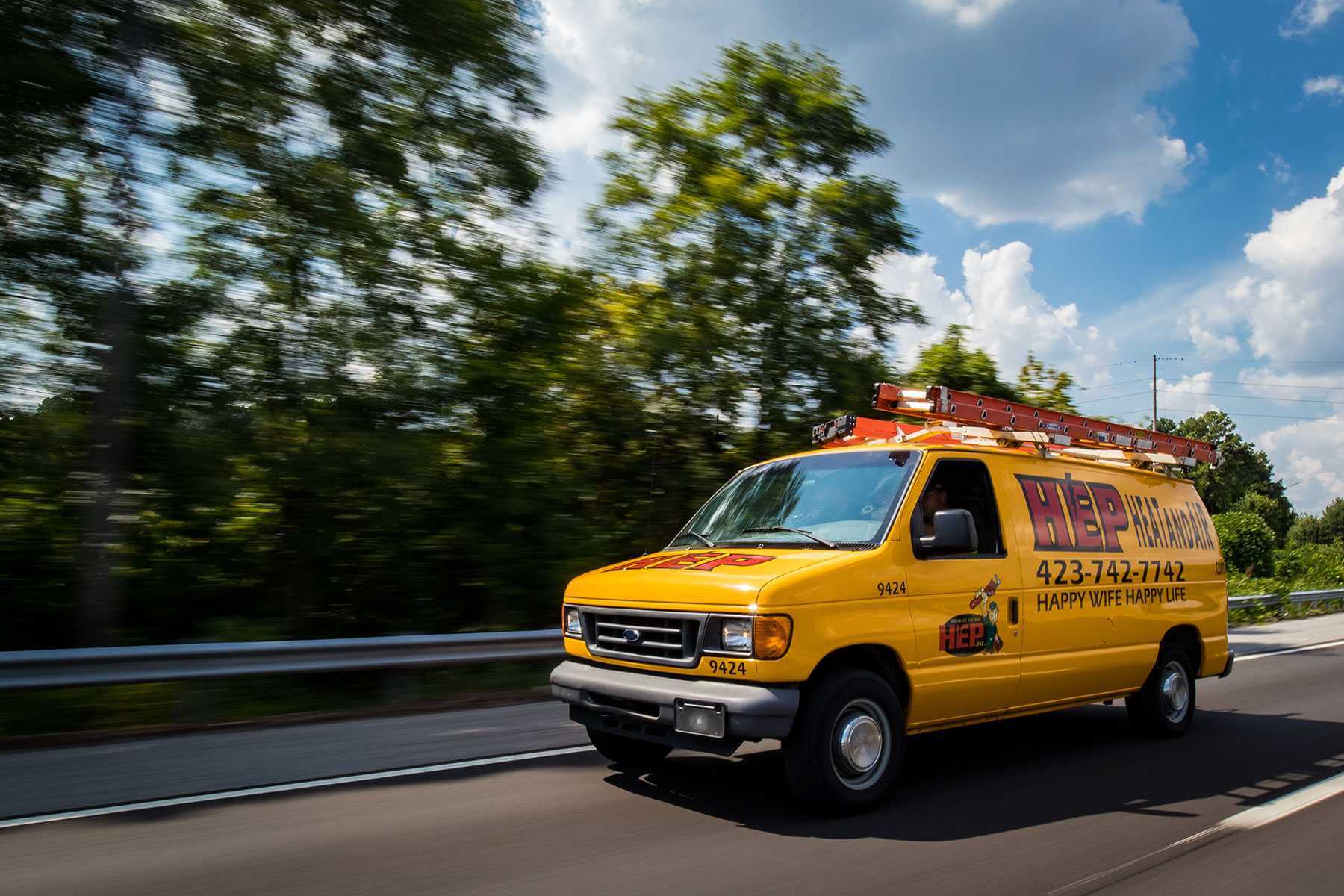
HEP specializes in making sure that generators in Gatlinburg deliver dependable electricity precisely when the grid does not. By focusing on installation, maintenance, and rapid service, HEP keeps lights shining, refrigerators humming, and Wi-Fi routers blinking during every outage. The company’s certified technicians understand the particular demands of mountain life and tailor every generator solution to the elevations, temperatures, and fuel availability unique to Sevier County.
The Unique Electrical Challenges of Gatlinburg
Gatlinburg’s geography and climate present several obstacles that ordinary generator service providers may not anticipate:
- Steep elevation changes can stress fuel systems if lines are not routed correctly
- Humid summers accelerate corrosion, particularly on outdoor generator housings and terminals
- Winter ice storms often knock down overhead distribution lines, creating prolonged outages
- Seasonal tourism spikes cause fluctuations in grid load, occasionally leading to brownouts
- Dense forest increases the likelihood of falling branches damaging utility infrastructure
HEP’s technicians build generator systems to withstand these exact conditions, delivering peace of mind whether power fails for fifteen minutes or several days.
HEP’s Comprehensive Generator Services
HEP approaches generator reliability through an integrated service model that covers every stage of ownership. From the first site visit to routine maintenance years later, customers receive seamless support that maximizes uptime and minimizes surprises.
Generator Installation Tailored to Gatlinburg Properties
Proper installation is the foundation of reliable performance. HEP’s installation process includes:
- Load calculation to size the generator correctly for the home or business
- Fuel type selection—propane, natural gas, or diesel—based on local availability and storage considerations
- Site preparation that addresses soil stability, drainage, and vibration isolation
- Code-compliant transfer switch integration to ensure safe transitions between utility and generator power
- Sound attenuation strategies that protect Gatlinburg’s tranquil mountain ambience
HEP’s installers take into account architectural aesthetics as well. Generators can be positioned behind landscaping features, fences, or custom enclosures that blend into chalet-style homes and storefront façades.
Preventive Maintenance Plans
A generator that sits idle for months can fail the instant it is needed if maintenance is neglected. HEP offers scheduled service that typically includes:
- Oil and filter changes at manufacturer-recommended intervals
- Spark plug inspection and replacement when necessary
- Coolant level checks and flushes to avoid overheating during extended runs
- Battery load testing to confirm reliable cranking power
- Visual inspection of wiring, exhaust systems, and vibration mounts
The preventive approach prevents minor issues—such as a deteriorating drive belt or clogged air filter—from snowballing into catastrophic failures.
Emergency Repairs Any Time
When extreme weather strikes, standby power can be a literal lifeline. HEP maintains fully stocked service vehicles and a roster of on-call technicians ready to troubleshoot:
- Failure to start due to battery or fuel system faults
- Erratic output voltage that threatens sensitive electronics
- Alarming smoke or high engine temperature indicating internal damage
- Transfer switch malfunctions that trap power in the generator side and leave circuits dark
With diagnostic laptops, manufacturer-specific software, and a deep parts inventory, HEP’s crews work to restore power during the same visit whenever possible.
Types of Generators Serviced by HEP
Gatlinburg’s energy needs range from cabins perched on narrow switchbacks to large hospitality venues on the Parkway. HEP trains its staff on a broad spectrum of generator technologies.
Whole-Home Standby Generators
Whole-home models typically range from 10 kW to 38 kW and are wired to an automatic transfer switch. When the utility feed drops, the generator senses voltage loss, starts within seconds, and energizes the property’s main electrical panel. HEP:
- Calibrates load shedding modules to prioritize HVAC, sump pumps, and refrigeration
- Programs exercise cycles so the engine runs weekly, lubricating internal components
- Monitors run hours to schedule timely oil changes and valve adjustments
Portable Generators
While portable units are often smaller—2 kW to 8 kW—they remain popular with Gatlinburg homeowners who only need to keep a handful of circuits alive during brief outages. HEP services:
- Inverter generators used for sensitive electronics
- Conventional open-frame models ideal for construction sites or seasonal cabins
- Parallel-ready units that can be linked for expanded capacity
Commercial Backup Power Systems
Tourism and retail are Gatlinburg’s economic drivers. Losing point-of-sale systems, refrigeration, or HVAC during peak season can be devastating. HEP’s commercial division handles:
- 50 kW to 500 kW diesel or natural-gas sets
- Dual-fuel systems that automatically switch between propane and natural gas
- Synchronizing generators that operate in parallel for redundant N+1 configurations
Compliance with NFPA 110 and local building codes is baked into every commercial project plan.
Key Components of an Electrical Generator
Understanding a generator’s anatomy helps property owners appreciate why proper service matters.
Engine
The engine converts chemical energy in fuel into mechanical energy. In Gatlinburg’s higher altitudes, engines need correct air-fuel ratios to compensate for lower oxygen density. HEP’s technicians adjust carburetors or electronic fuel injection maps to ensure clean combustion and optimal horsepower output.
Alternator
Attached to the engine’s crankshaft, the alternator transforms mechanical rotation into alternating current. HEP inspects:
- Windings for insulation integrity
- Bearings for wear and lubrication
- Voltage regulators for accurate output
Fuel System
Depending on fuel type, the system includes:
- Propane regulators and vaporizer assemblies
- Natural gas meters and flexible supply lines
- Diesel injectors, pumps, and filtration
Clogged filters or contaminated fuel are leading causes of generator failure. HEP’s maintenance schedules prioritize fuel system cleanliness.
Cooling System
Most standby generators rely on liquid coolant circulated through a radiator. Mountain winters can cause coolant to gel if the mix is incorrect. Conversely, hot summers place high thermal loads on radiators. HEP checks coolant concentration and flushes scaling deposits.
Lubrication System
Oil not only reduces friction but also helps remove heat. HEP samples oil for metal shavings or combustion byproducts, revealing early signs of engine wear.
How HEP Ensures Peak Generator Performance
Service is more than changing oil; it is a comprehensive program that leverages technology and field experience.
Load Bank Testing
A generator that idles without a true electrical load may develop “wet stacking,” a buildup of unburned fuel in the exhaust. HEP connects portable load banks that draw 25%, 50%, 75%, and 100% of rated capacity:
- Confirms the generator can produce full wattage
- Burns off carbon deposits in the exhaust system
- Verifies cooling capacity under real stress
Remote Monitoring
Modern generators include onboard controllers with Ethernet or cellular telemetry. HEP configures dashboards that track:
- Start and stop events
- Engine temperature and oil pressure
- Battery voltage
- Run hours and maintenance countdown timers
Alerts can be pushed instantly when a critical parameter drifts out of range, allowing proactive service rather than reactive repairs.
Fuel Polishing and Treatment
Diesel, in particular, can develop microbial contamination known as “diesel bugs,” leading to sludge and filter clogging. HEP employs mobile polishing units with multi-stage filtration to:
- Remove water, sediment, and microbial colonies
- Restore fuel stability with biocides and antioxidants
- Reduce injector wear and ensure crisp starts
Environmental Safeguards
Oil spills and fuel leaks risk damaging Gatlinburg’s pristine streams. HEP’s technicians install:
- Double-wall fuel tanks with leak detection sensors
- Secondary containment berms where required
- Absorbent pads beneath filter change areas
Waste oil and filters are recycled in compliance with Tennessee environmental regulations.
Benefits of Partnering with a Local Gatlinburg Generator Specialist
While generators share common engineering principles, Gatlinburg’s terrain, regulations, and lifestyle demand specialized expertise that only a local company like HEP can deliver.
Rapid Response in Mountain Conditions
When an outage coincides with icy roads or fog-shrouded switchbacks, technicians unfamiliar with the area may arrive late or not at all. HEP’s crews:
- Use GPS routes optimized for mountain terrain
- Equip vehicles with tire chains during winter months
- Carry spare parts tailored to common generator models in Sevier County
Knowledge of Local Fuel Infrastructure
Propane availability can vary depending on tanker schedules. Natural gas line pressures fluctuate with tourism-driven demand. HEP monitors these variables and designs systems with appropriate regulators, tank sizes, and fuel switching capabilities.
Code Compliance and Permitting
Sevier County building inspectors require generator installations to adhere to:
- Setback distances from property lines and windows
- Electrical bonding and grounding specifications
- Noise ordinance limits
HEP coordinates with inspectors, secures permits, and schedules final walkthroughs so property owners avoid bureaucratic headaches.
Familiarity With Seasonal Usage Patterns
Vacation homes in Gatlinburg may sit empty for weeks. Standby testing cycles must account for long idle periods yet guarantee immediate starts. HEP configures timed exercises and remote alerts so owners receive status updates even when hundreds of miles away.
Seasonal Generator Preparedness in Gatlinburg
A generator’s workload shifts dramatically with the seasons. HEP adapts its service schedules accordingly.
Spring Tune-Ups
After heavy winter operation or extended dormancy, spring service focuses on:
- Inspecting exhaust systems for corrosion from melting snow and road salt
- Testing battery capacity after cold-weather strain
- Clearing rodent nests from warm engine compartments
Summer Cooling Emphasis
High ambient temperatures demand:
- Radiator fin cleaning for unimpeded airflow
- Verification of coolant mixture to prevent boil-overs
- Inspection of enclosure louvers and fans for debris blockages
Autumn Fuel Readiness
Before winter storms hit, HEP:
- Tops off propane tanks to reduce condensation
- Adds anti-gel additives to diesel storage
- Conducts full load bank tests to confirm capacity for extended outages
Winter Emergency Standby
During peak generator season, technicians perform quick inspections:
- Checking snow accumulation around air intakes and exhaust ports
- Verifying automatic transfer switches are moisture-free
- Monitoring remote alerts for low fuel or fault codes
Common Generator Issues Addressed by HEP
Even the best-built generators can suffer unexpected problems. HEP’s diagnostic process targets the most prevalent faults seen in Gatlinburg.
Battery Failure
Cold temperatures slow chemical reactions inside lead-acid cells. Symptoms include slow cranking and clicking sounds. HEP installs batteries with sufficient cold-cranking amps (CCA) and tests them under load.
Fuel Starvation
Air in propane lines or sludge in diesel tanks restricts fuel flow. HEP purges air, replaces filters, and cleans tank bottoms as needed.
Overcranking Lockout
Repeated failed start attempts can trigger lockout modes in modern controllers. HEP deciphers fault logs, resets control boards, and addresses underlying causes such as bad glow plugs or low fuel pressure.
Voltage Fluctuation
Loose wiring or failing AVR (Automatic Voltage Regulator) components disrupt stable output. HEP tightens lugs, replaces AVRs, and performs alignment checks on rotor and stator assemblies.
Enhancing Energy Resilience Across Gatlinburg’s Diverse Properties
HEP adapts generator strategies to the varied architectural and electrical profiles found across the city.
Mountain Cabins
These properties often sit beyond natural gas mains and on steep slopes. HEP favors propane generators with elevated pad installations to mitigate flood risk from creek overflow.
Downtown Retail Stores
Limited exterior space requires compact enclosures with low sound emissions. HEP relocates fuel tanks to rooftop positions when property lines restrict setback distances.
Hotels and Resorts
Hospitality venues need uninterrupted power for elevators, electronic locks, kitchen refrigeration, and HVAC. HEP designs multi-megawatt systems with parallel generators and uninterruptible power supplies (UPS) for zero-downtime transitions.
Vacation Rental Condominiums
Remote monitoring is key for absentee owners. HEP integrates generator controllers with smart-home platforms so property managers receive push notifications on fuel levels and fault alarms.
Fuel Considerations in Gatlinburg’s Terrain
Choosing the right fuel can make a critical difference in performance and cost of ownership.
Propane
Advantages:
- Clean-burning, extends engine life
- Indefinite shelf life without degradation
- Storage tanks can be buried to preserve aesthetics
Challenges:
- Requires scheduled deliveries up mountain roads
- Lower energy density than diesel
Natural Gas
Advantages:
- Continuous supply via municipal pipelines
- No refueling logistics
Challenges:
- Susceptible to line pressure drops during peak winter demand
- Availability may be limited in remote cabins
Diesel
Advantages:
- High energy density, better suited for heavy loads
- Efficient fuel economy during extended outages
Challenges:
- Fuel can degrade, necessitating polishing
- Cold flow issues at mountain temperatures without additives
HEP evaluates each property’s proximity to gas utilities, average outage duration, and environmental regulations before recommending a fuel type.
The Role of Transfer Switches in Seamless Power Delivery
An automatic transfer switch (ATS) is the conductor of the power orchestra, deciding when to shift the load from utility to generator. HEP installs and maintains:
- Service-entrance rated switches that act as the main disconnect
- Load-center switches with built-in circuit breakers for smaller homes
- Bypass-isolation switches allowing service without downtime in commercial facilities
Testing the ATS involves simulating outages, verifying relay response times, and ensuring that contacts remain pitted-free for low resistance.
Importance of Noise Mitigation in Residential Areas
While Gatlinburg embraces a rustic vibe, homeowners still value quiet evenings on the porch. HEP employs several methods to curb generator noise:
- Acoustically insulated enclosures made with galvanized steel and sound-absorbing foam
- Flexible exhaust couplings that reduce vibration transmission
- Strategic placement behind terrain contours or retaining walls
Baseline noise levels are measured pre-installation, and post-installation readings confirm compliance with municipal noise ordinances.
Integrating Renewable Energy With Standby Generators
Gatlinburg’s sunny ridges are ripe for photovoltaic (PV) arrays. HEP’s engineers design hybrid systems where:
- Solar panels handle day-to-day loads
- Battery storage evens out solar intermittency
- Diesel or propane generators take over when batteries discharge below set thresholds
Hybrid systems reduce fuel consumption, extend generator life, and shrink carbon footprints without sacrificing reliability.
Training and Certification of HEP Technicians
Generator technology evolves rapidly, from advanced microprocessor controllers to emissions-compliant engines. HEP invests in:
- Manufacturer-authorized training sessions
- Electrical licensing that meets Tennessee requirements
- OSHA safety courses for confined spaces and elevated work areas
A culture of continuous improvement ensures that every service call brings state-of-the-art expertise to Gatlinburg customers.
Safety Protocols During Generator Operation and Service
Operating a generator involves combustible fuel, high voltage, and rotating machinery. HEP follows strict safety standards:
- Lockout-tagout procedures when servicing live circuits
- Fire extinguishers rated for electrical and fuel fires on every service vehicle
- Personal protective equipment (PPE) including arc-flash suits when testing under load
Property owners receive guidance on safe clearances and ventilation, minimizing the risk of carbon monoxide buildup.
Environmental Stewardship in the Smokies
Protecting the delicate mountain ecosystem is a shared responsibility. HEP’s approach includes:
- Recycling used oil, filters, and coolant in registered facilities
- Offering bio-diesel blends for customers seeking lower emissions
- Consulting on generator run-time strategies to balance energy security with environmental impact
By aligning service practices with local conservation goals, HEP helps keep the Smokies’ air and water pristine for future generations.
Future Trends in Generator Technology Relevant to Gatlinburg
Looking forward, HEP keeps a pulse on innovations that promise even better resilience:
- Hydrogen fuel-cell generators with water vapor exhaust only
- Quiet-run inverter standby generators that drop noise to conversation levels
- Solid-state transfer switches capable of sub-millisecond switchover, protecting ever more sensitive electronics
Early adoption of such technologies will keep Gatlinburg homes, businesses, and attractions lit and comfortable regardless of what nature dishes out.
Empowering Gatlinburg With Reliable Generator Service
Gatlinburg thrives on consistent electricity, from the glow of downtown storefronts to the cozy warmth of mountain cabins. HEP’s dedicated generator service—spanning installation, preventive maintenance, emergency repair, and modernization—ensures that every flick of a light switch delivers the reassuring hum of power, even when the utility grid falls silent.
Proudly Serving Our Community
Find your local experts in your neighborhood. We're just around the corner.