
Generators
Your trusted partner for professional home services. Quality workmanship, guaranteed satisfaction.

Generators | Electrical | Alcoa
When a Tennessee thunderstorm knocks out the power, you don’t have time to wonder if the lights—or the fridge—will come back on. HEP’s licensed electricians keep Alcoa homes and businesses running with dependable standby generators sized precisely for your needs. From compact, air-cooled units that protect essential circuits to whole-house systems that start automatically within seconds of an outage, we handle every detail: load calculations, permitting, concrete pads, fuel lines, and seamless integration with your existing electrical panel.
Our commitment doesn’t end once the generator is humming. HEP offers routine maintenance plans, 24/7 monitoring, and rapid-response repairs, ensuring your investment is always ready for the next outage. With transparent pricing, industry-leading warranties, and local technicians who treat you like a neighbor, staying powered up in Alcoa has never been easier—or more reliable.
What Our Customers Say


Reliable Electrical Generator Service in Alcoa
Keeping critical systems powered in every corner of Alcoa demands dependable electrical generators and meticulous service. Without consistent maintenance, even the most advanced generator can fail at the worst possible moment, causing downtime, lost productivity, and potential safety risks. HEP company delivers specialized generator work in Alcoa, ensuring that homes, businesses, healthcare facilities, and industrial complexes enjoy seamless power continuity. By combining field-tested expertise with cutting-edge diagnostic technology, HEP technicians provide a holistic approach that covers preventive maintenance, emergency repairs, performance optimization, and regulatory compliance.
The city’s climate, industrial footprint, and growing population create unique power demands. Frequent thunderstorms, high humidity, and fluctuating grid loads place continuous strain on generator systems. HEP understands these local conditions and tailors every service plan to match Alcoa’s environmental realities. From compact residential standby units to multi-megawatt industrial machines, the company applies a rigorous methodology that maximizes reliability, minimizes lifecycle costs, and supports sustainable operations.
HEP Company Expertise in Generator Maintenance
Certified Technicians and Advanced Diagnostic Tools
HEP’s technicians undergo comprehensive certification programs covering mechanical, electrical, and control-system disciplines. Training is refreshed regularly to keep pace with evolving generator technologies and regulatory updates. Each service vehicle is equipped with:
- Digital multimeters and oscilloscopes for precise electrical measurement
- Thermal imaging cameras to identify hot spots and insulation issues
- Vibration analysis devices to detect bearing wear and misalignment
- Handheld emission analyzers for exhaust quality verification
These advanced tools allow rapid diagnosis of hidden problems, reducing troubleshooting time and ensuring repairs are targeted and effective.
Preventive Maintenance Strategy
Preventive care forms the backbone of HEP’s generator program. Rather than waiting for components to fail, technicians perform scheduled inspections that address:
- Lubricant condition and viscosity
- Fuel system cleanliness and filter integrity
- Battery state of charge and electrolyte levels
- Cooling system pressure, flow, and coolant composition
- Exhaust system leaks and structural wear
- Control panel firmware and sensor calibrations
This systematic regimen mitigates unexpected breakdowns while extending equipment life.
Compliance With Industry Standards
HEP adheres to leading standards to guarantee safety and performance, including:
- NFPA 110 for emergency and standby power systems
- NEC Article 700 for critical operations power requirements
- ISO 8528 generator set testing protocols
- EPA regulations governing emission levels and fuel storage
By aligning with these guidelines, HEP ensures every generator installation and service event in Alcoa meets strict regulatory benchmarks.
Types of Generators Serviced by HEP in Alcoa
Standby Residential Generators
Homeowners depend on standby generators to maintain comfort and security during outages. HEP supports:
- Air-cooled and liquid-cooled models ranging from 7 kW to 60 kW
- Automatic transfer switch (ATS) inspections
- Fuel options including natural gas, propane, and diesel
- Sound attenuation checks for neighborhood compliance
Commercial and Industrial Generators
Commercial sites and heavy industries rely on high-capacity generator sets. HEP handles:
- Prime and standby units from 60 kW to 3 MW
- Parallel switchgear configurations for load sharing
- Medium-voltage alternators up to 15 kV
- Exhaust after-treatment systems for emission control
Portable Generators for Specialized Applications
Construction crews, outdoor events, and emergency responders often need portable power. HEP services:
- Towable generators with integrated fuel tanks
- PTO generators for agricultural machinery
- Inverter models for sensitive electronics
- Weatherproof enclosures and grounding kits
Core Generator Service Processes
Inspection and Assessment
Every service visit starts with a visual and instrumental evaluation. Technicians look for fluid leaks, corrosion, wiring damage, and physical obstructions. They record operating hours and compare readings against baseline data to spot deviations early.
Oil and Filter Replacement
Lubrication breakdown invites friction and overheating. HEP replaces engine oil and spin-on filters at manufacturer-specified intervals or sooner if laboratory analysis reveals contamination. High-grade synthetic lubricants are selected when ambient temperatures or duty cycles are extreme.
Cooling System Optimization
Alcoa’s summer heat places significant demands on cooling circuits. Technicians flush radiators, test coolant pH, verify fan belt tension, and ensure water pumps maintain adequate flow. For liquid-cooled sets, block heaters are checked to guarantee cold-weather starts.
Fuel System Treatment
Diesel fuel can harbor microbes and develop water contamination. HEP employs:
- Biocide treatments to curb microbial growth
- Water separators and coalescers to remove moisture
- Periodic fuel polishing for long-term storage tanks
Natural gas pathways are inspected for leaks, pressure stability, and regulator performance.
Electrical Testing and Load Bank Verification
Under-loaded generators experience wet stacking and carbon buildup. HEP connects portable load banks to:
- Exercise generators at 30–100 % of rated capacity
- Verify voltage regulation and frequency stability
- Identify cooling or exhaust anomalies under full load
The data collected informs subsequent tuning.
Control Panel Calibration
Microprocessor-based controllers are vital for automation. Firmware updates, sensor recalibrations, and alarm logic checks ensure accurate readings and timely protective shutdowns.
Mechanical Component Reconditioning
Components such as turbochargers, water pumps, and alternator bearings receive endoscopic inspections and vibration analyses. Worn parts are reconditioned or replaced before they jeopardize operational integrity.
Final Quality Assurance Checklist
Before closing a service ticket, technicians confirm:
- Zero active fault codes
- All fasteners torqued to specification
- Safety guards securely mounted
- Housekeeping standards met around the generator bay
Documentation is uploaded to HEP’s secure portal, giving clients an auditable maintenance history.
Common Generator Issues Solved by HEP Technicians
Fuel Contamination and Line Blockage
Symptoms include rough running, black smoke, and frequent stalling. HEP’s solution combines fuel sampling, filter replacement, and tank cleaning to restore steady power.
Battery Failure and Charging System Malfunctions
Discharged or sulfated batteries prevent autostart. Technicians test cranking amps, inspect alternator output, and replace corroded terminals to guarantee instant startup.
Overheating and Coolant Leaks
High temperature shutdowns often stem from coolant hose failures or obstructed radiators. HEP identifies weak spots with pressure tests and thermal imaging, then implements permanent fixes.
Voltage Fluctuations and Frequency Drift
Fluctuations endanger sensitive loads. HEP adjusts AVR (automatic voltage regulator) settings, balances phase loading, and corrects governor response to stabilize output.
Sensor Errors and Alarm Faults
False alarms can trigger unnecessary shutdowns. Through controller diagnostics and sensor calibration, technicians eliminate nuisance trips while preserving protective functions.
Benefits of Proactive Generator Service in Alcoa
Maximized Uptime During Power Outages
Well-maintained generators start reliably and carry loads without derating, ensuring critical operations remain online through grid failures.
Cost Savings Through Extended Equipment Lifespan
Regular service reduces wear, postpones major overhauls, and preserves engine efficiency, translating to lower total cost of ownership.
Compliance With Local Safety Codes
Routine inspections verify that exhaust routing, sound levels, and fuel storage meet municipal regulations, mitigating legal risk.
Enhanced Environmental Stewardship
Optimized combustion minimizes soot and nitrogen oxide emissions, supporting clean air initiatives within the Alcoa community.
HEP’s Commitment to Sustainable Practices
Eco-Friendly Disposal of Waste
Used oil, filters, and coolant are collected and processed by certified recycling partners, ensuring hazardous materials never enter local landfills.
Energy-Efficient Parts and Fluids
HEP selects low-viscosity lubricants and high-efficiency fuel injectors that reduce parasitic losses and cut fuel consumption.
Noise Reduction Techniques
By maintaining mufflers, installing acoustic enclosures, and applying vibration isolators, HEP minimizes noise pollution for surrounding neighborhoods.
The HEP Generator Service Workflow in Alcoa
Initial Site Survey
A thorough on-site assessment evaluates generator placement, ventilation, load profile, and accessibility. Any code compliance gaps are noted for corrective action.
Customized Service Plan Creation
Based on generator size, usage pattern, and criticality, HEP crafts a service matrix detailing tasks, intervals, and performance benchmarks.
Scheduled Service Visits
Technicians perform maintenance according to the plan, ensuring minimal disruption to daily operations. Each visit is logged with timestamped photographs and parameter readings.
Detailed Reporting and Documentation
Clients receive digital reports outlining completed tasks, component conditions, and actionable recommendations. The transparent record simplifies insurance and regulatory audits.
Ongoing Performance Monitoring
Optional remote monitoring transmits operating data to HEP’s central dashboard, enabling predictive alerts and rapid interventions when anomalies arise.
Key Industries in Alcoa Relying on HEP Generator Work
Manufacturing Facilities
Assembly lines and process plants depend on constant power to maintain product quality and safety systems. Generators keep production moving when utility feeds falter.
Healthcare Institutions
Hospitals, clinics, and long-term care facilities cannot risk power loss. HEP’s maintenance ensures life-saving equipment remains powered and compliant with healthcare regulations.
Data Centers and IT Hubs
Server farms require zero downtime. With redundant generators maintained by HEP, data centers achieve the high availability demanded by clients and service-level agreements.
Educational Campuses
Universities and K-12 schools use generators to secure research labs, emergency lighting, and campus safety networks during outages.
Municipal Infrastructure
Water treatment plants, police stations, and emergency operations centers all rely on HEP to safeguard public services through severe weather and grid instability.
How HEP Ensures Rapid Response During Emergencies
24/7 Dispatch Ready Teams
Technicians are scheduled on rotating shifts, guaranteeing a ready crew at all hours, regardless of weekends or holidays.
Stocked Parts Inventory in Alcoa
Local warehousing of high-turn components—filters, belts, sensors, and control boards—allows immediate repairs without shipping delays.
Mobile Diagnostic Labs
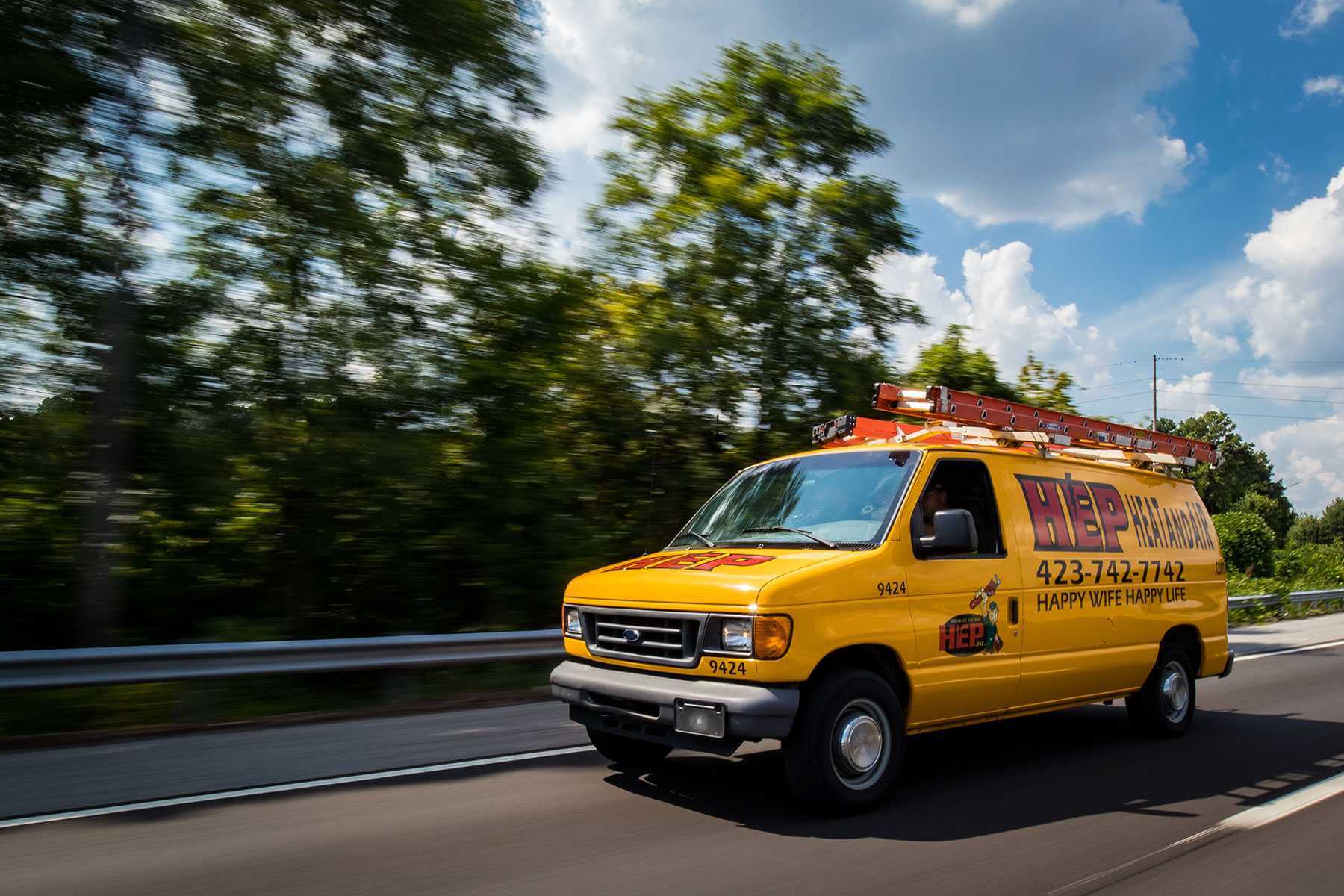
Service vans carry portable load banks, laptop interfaces, and replacement parts, effectively turning every truck into a mobile workshop.
Safety Protocols Followed by HEP in Generator Work
Lockout/Tagout Procedures
Before maintenance begins, technicians isolate and tag energy sources to prevent accidental energizing, protecting both personnel and equipment.
Arc-Flash Mitigation
Proper personal protective equipment (PPE), arc-rated clothing, and insulated tools are standard, reducing risk during live electrical testing.
Confined Space Practices
Fuel tanks and generator enclosures may qualify as confined spaces. HEP follows atmospheric testing, ventilation, and standby rescue protocols to maintain safety.
Future-Focused Generator Service Innovations
Predictive Maintenance Through IoT Sensors
Real-time vibration, temperature, and oil quality sensors feed data to cloud analytics platforms, enabling HEP to schedule service just before wear becomes failure.
Integration With Renewable Energy Systems
As solar arrays and battery storage proliferate, HEP configures generators for hybrid operation, balancing renewable sources with fast-acting engine power.
Remote Control and Monitoring Platforms
Web-based dashboards allow facility managers to start, stop, and monitor generators securely from any location, reducing manual site visits.
Tips for Alcoa Property Owners to Support Service Intervals
Basic Visual Checks
Look for puddles, loose wires, or rust. Early detection can prevent a small issue from evolving into a major repair.
Maintaining Clear Generator Environments
Keep vegetation trimmed, vents unobstructed, and debris away to ensure adequate airflow and safe technician access.
Fuel Quality Management
Periodically test stored diesel for water and microbial growth. Use fuel stabilizers if storage exceeds recommended durations.
Exercising the Generator Monthly
Running the generator under load for 20–30 minutes warms components, circulates fluids, and ensures batteries stay charged.
Proudly Serving Our Community
Find your local experts in your neighborhood. We're just around the corner.